Address
304 North Cardinal St.
Dorchester Center, MA 02124
Work Hours
Monday to Friday: 7AM - 7PM
Weekend: 10AM - 5PM
Address
304 North Cardinal St.
Dorchester Center, MA 02124
Work Hours
Monday to Friday: 7AM - 7PM
Weekend: 10AM - 5PM


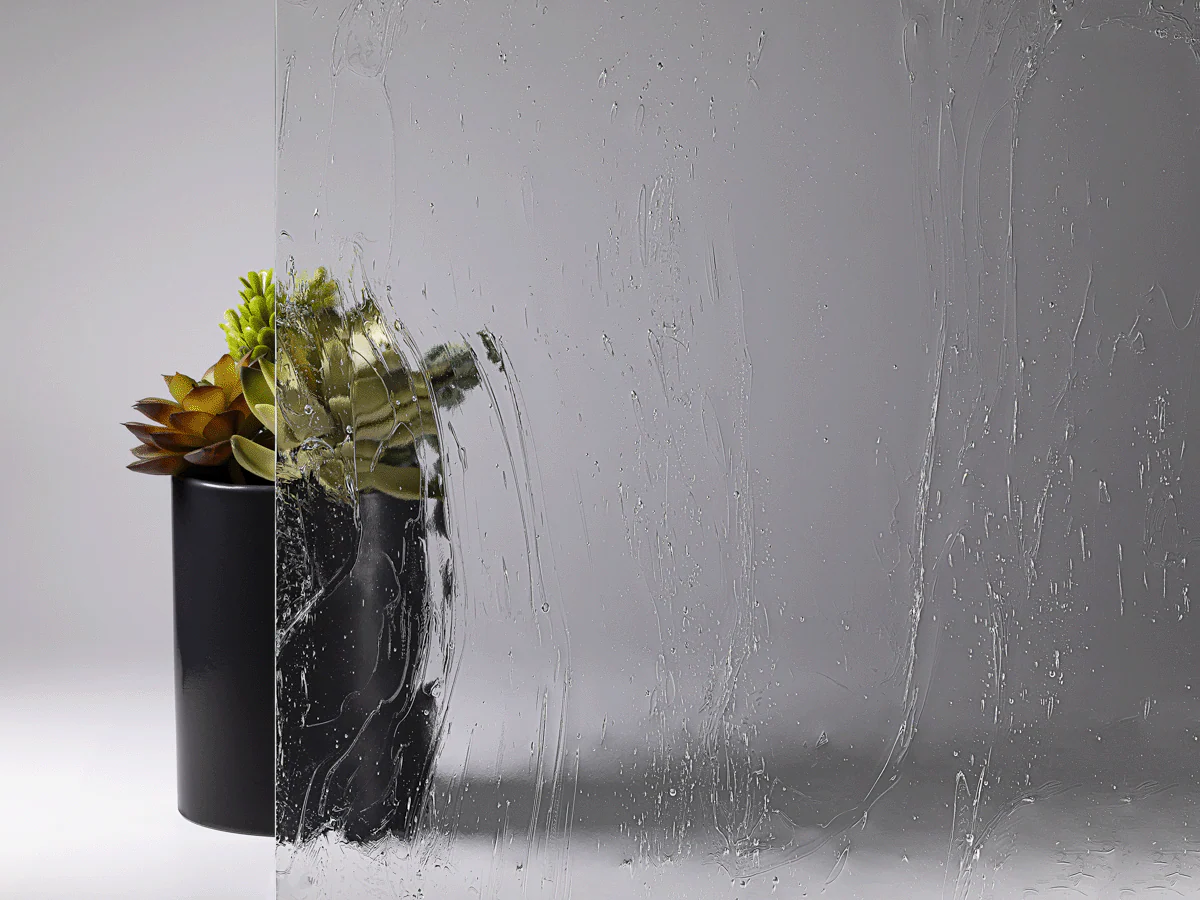
One of the most common questions we receive from project managers is: “Which safety glass should I specify?” While both tempered and laminated glass qualify as “safety glass,” their mechanical properties and failure modes dictate different applications.
1. The Mechanics of Strength
2. Safety Failure Modes
3. Where to Use What?
4. The SGP Advantage For structural applications (like frameless railings), we recommend SentryGlas® Plus (SGP) interlayers. SGP is stiffer and clearer than standard PVB, ensuring the glass stands up even if broken.
Conclusion Selecting the right glass involves balancing safety codes, budget, and structural needs.
